- Mark's Newsletter
- Posts
- SF Weekly Pulse: Issue 02
SF Weekly Pulse: Issue 02
Another exciting week in San Francisco's vibrant tech ecosystem!

Mark Thompson
December 26, 2025 • Estimated Reading Time: 2 minutes

In partnership with

88🌟 Editor's Note
Welcome to another exciting week in San Francisco's vibrant tech ecosystem! We've got a packed newsletter full of insights, events, and inspiring stories from the heart of innovation.
🗓️ Upcoming Deadlines
TechCrunch Disrupt Battlefield Calling all early-stage startups: Submit your pitch for a chance to win $100,000 and investor spotlight.
| AI for Good Global Summit $250,000 funding available for AI projects addressing global challenges.
|
🚀 Stay Inspired
The Rise of Generative AI in Unexpected Places
Healthcare Revolution: AI now generating personalized treatment plans in 67% of major hospitals
Creative Industries Disruption: Generative AI creating initial drafts for films, music, and design projects
Unexpected Stat: 42% of Fortune 500 companies now have dedicated generative AI teams
Quantum Computing Goes Mainstream
Major tech companies investing billions in quantum infrastructure
First commercial quantum computers now available for enterprise rental
Potential to solve complex problems in minutes that would take classical computers thousands of years - article here
🦄 Startup Spotlight
Pixel Pioneers: The Quirky Startup Redefining Digital Creativity
They are a startup to watch as they are democratizing high-end design for small businesses, reducing design creation time by 80% & proving that creativity can be both seriously innovative and seriously fun.
The Backstory: Founded by three former Pixar animators who got tired of traditional design workflows
Key Innovation: An AI-powered design platform that turns stick figure sketches into professional-grade illustrations in seconds
Funding: $5M seed round, backed by Silicon Valley's most eccentric investors
🔥 In Case You Missed It…
Funding Roundup
Quantum Leap Technologies secured $45M Series B, led by Sequoia Capital, to advance quantum computing infrastructure for enterprise solutions.
EcoGrid AI raised $22M to develop machine learning algorithms for renewable energy grid optimization.
MindSync Neurtech closed a $15M seed round to expand its brain-computer interface research.
🏆 Reader of the Week
 | Alex Rodriguez: Tech Innovator with a Retro Twist🌉 Background: Software engineer and digital health entrepreneur from San Francisco's Mission District 👑 Achievement: Recently developed an AI-powered diagnostic tool that reduces medical screening times by 60% for early-stage cancer detection 🙈 Quirk: Proudly carries a vintage flip phone, a stark contrast to his cutting-edge AI work |
The Flip Phone Rebel
Despite developing state-of-the-art AI technology, Alex Rodriguez sports a beat-up flip phone that's become something of a local legend in San Francisco's tech circles. "It's my conversation starter," he jokes. "I can build complex machine learning algorithms, but I refuse to give up my trusty Nokia."
Technology isn't just about the latest gadget—it's about solving real-world problems that can genuinely improve people's lives.
His colleagues often tease him about the phone, but Alex sees it as a symbol of his unconventional approach to technology. "Just because something is old doesn't mean it's not valuable," he says with a grin. "Same goes for people, algorithms, and apparently, mobile phones."
A graduate of Stanford's computer science program, Alex embodies the innovative spirit of San Francisco's tech ecosystem—proving that breakthrough innovation can come from someone who still uses T9 texting.
Did You Know? The first computer bug was literally a bug—in 1947, Grace Hopper found a moth trapped in a Harvard Mark II computer, coining the term "debugging" in the process.
Till next time,
SF Weekly Pulse
Making artificial gravity in space
Scientific research have found that it's possible for artificial gravity to be created on a space station. This is possible because the space station would use centripetal forces from rotation.

This idea is still ongoing going but it is definitely possible, the Russian scientists has a patient of the artificial gravity device but it would require a bigger ISS ( International space station) for it to work.
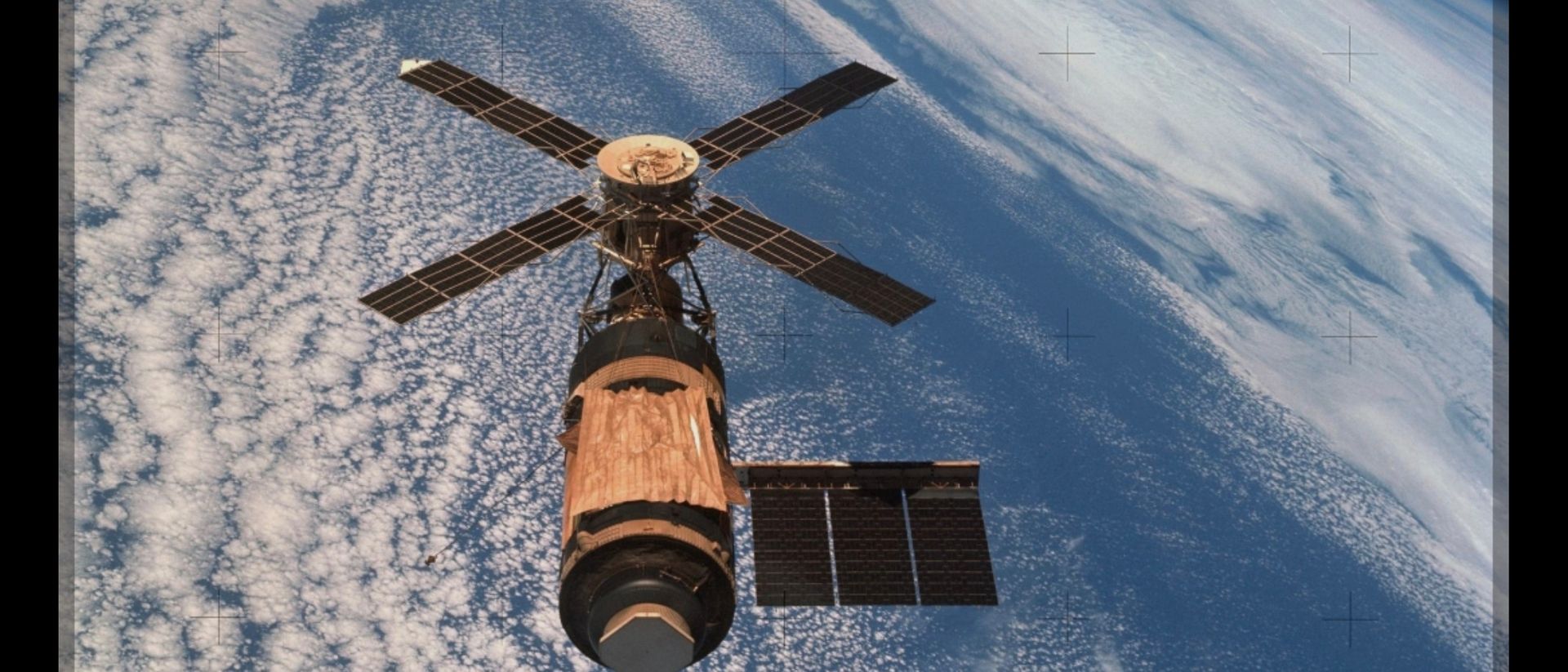
The patient description is a habitable modules that would rotate around a central axis that would simulate gravity for the crew by producing a outward pushing centrifugal force. Although this is possible to create, it may take some time to put it in use on the space station. With the rapid progress in technology I think it won't be too long before we see it done.
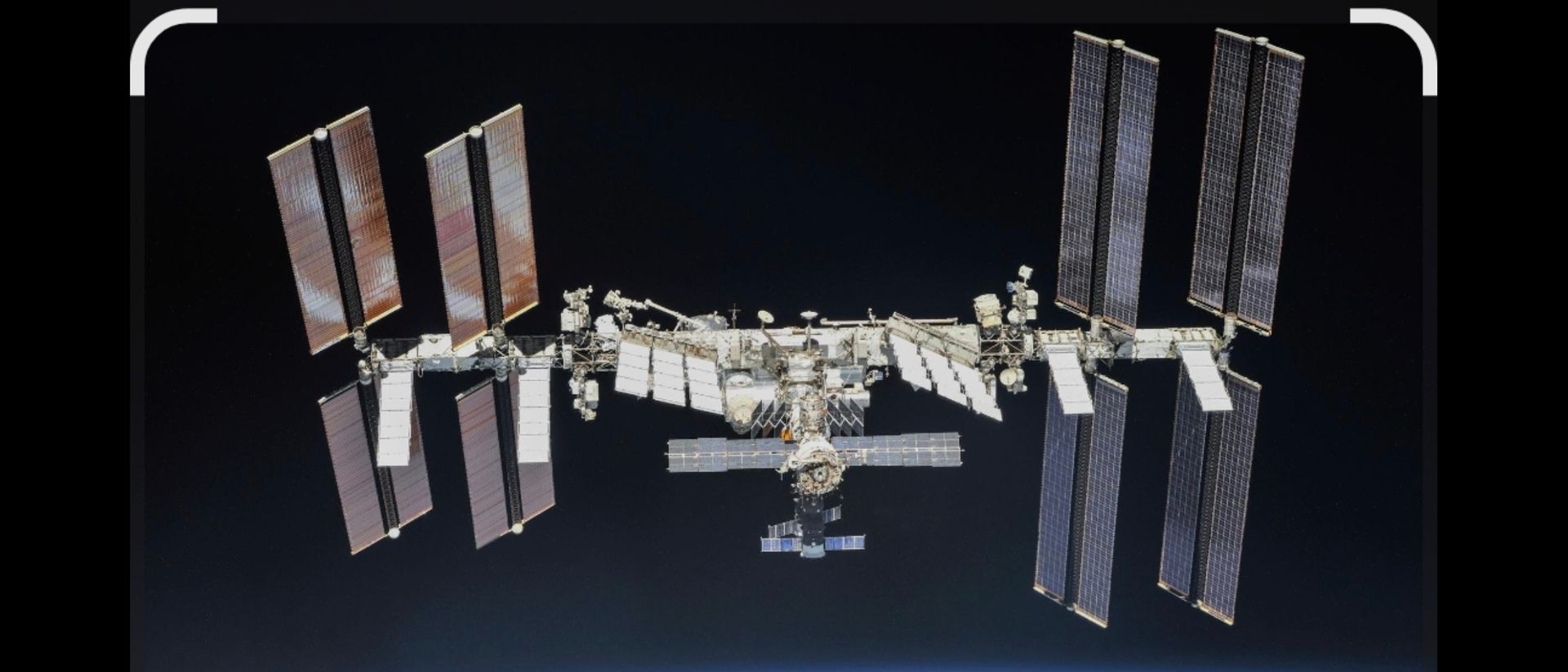
The invention would be a great breakthrough in space travel and would allow longer space time without being a a planet.
Become An AI Expert In Just 5 Minutes

If you’re a decision maker at your company, you need to be on the bleeding edge of, well, everything. But before you go signing up for seminars, conferences, lunch ‘n learns, and all that jazz, just know there’s a far better (and simpler) way: Subscribing to The Deep View.
This daily newsletter condenses everything you need to know about the latest and greatest AI developments into a 5-minute read. Squeeze it into your morning coffee break and before you know it, you’ll be an expert too.
Subscribe right here. It’s totally free, wildly informative, and trusted by 600,000+ readers at Google, Meta, Microsoft, and beyond.